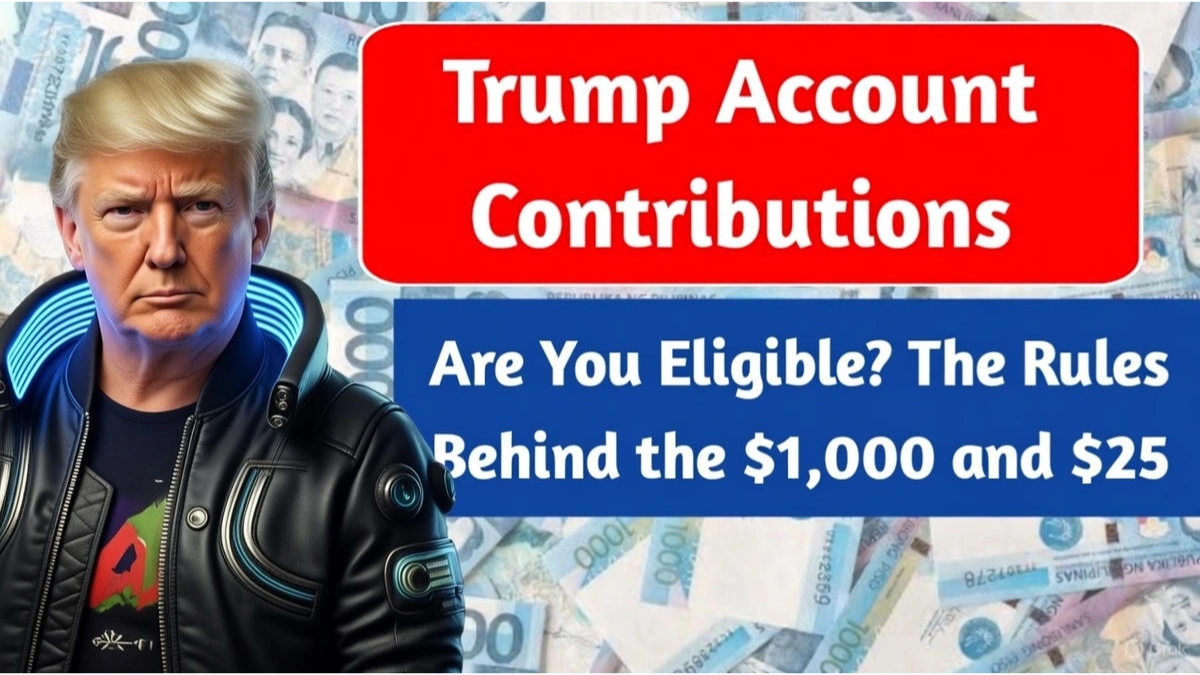
A growing number of online posts have sparked confusion over whether Americans can receive $1,000 or $250 payments linked to Donald Trump’s 2024–2025 campaign. Many people believe these amounts are government-backed benefits, stimulus checks or rebate programs. In reality, these payments are campaign contributions, not federal payouts, and they work very differently from government aid. Here is the full explanation so you know exactly what is real and what is not.
What the $1,000 and $250 Trump Contributions Actually Are
These amounts refer to donation incentives and fundraising tiers used in political campaigns. They are not financial assistance or payments given to voters. Instead, they are voluntary contributions from individuals to the campaign, often highlighted in emails, ads or fundraising events.
When a campaign promotes amounts like $1,000 or $250, it is encouraging supporters to donate at those levels. The contributor pays the campaign—not the other way around.

Can You Receive $1,000 or $250 From the Trump Campaign?
No. These amounts are not payments, bonuses or stimulus checks.
They are donation options, meaning individuals give money to the campaign.
Campaigns are legally prohibited from giving voters cash or financial benefits in exchange for support. This would violate federal election law.
Why These Contribution Amounts Are Trending Online
The confusion began when promotional messages encouraged supporters to “claim,” “secure,” or “reserve” contribution spots at specific amounts. Many social media users misinterpreted these messages as eligibility notices for receiving money rather than donating it. This misunderstanding circulated quickly, fueling the false belief that the Trump campaign was distributing $1,000 or $250 checks.

Who Is Allowed to Make These Contributions
Under federal election rules, only certain individuals can legally donate to political campaigns.
Eligibility Requirements for Donating:
You must be:
- A U.S. citizen or lawful permanent resident
- At least 18 years old
- Donating your own money, not funds from a corporation or organization
Campaigns must follow strict federal contribution laws. The maximum an individual can donate per election cycle is determined by the Federal Election Commission (FEC).

How Contributions Are Used
Money donated at any level—including $1,000 and $250—goes toward campaign activities such as rallies, advertising, voter outreach and operations. Donors do not receive monetary returns or benefits from contributing.
Are There Any Refunds or Financial Incentives?
No. Campaigns do not issue refunds unless a donation was made in error. Donors also do not earn interest, bonuses or stimulus-style payments. Contributions are not tax deductible because political donations do not qualify as charitable contributions.
How to Avoid Misleading Posts or Scams
Some fraudulent websites and social media posts reuse campaign figures like “$1,000” or “$250” to trick users into entering personal information. Always verify donation pages directly through the official campaign website and avoid third-party links.

One Quick Takeaway Section
The $1,000 and $250 Trump contribution amounts are donation levels, not government payments. Supporters give money to the campaign; they do not receive money from it.
Conclusion: Misunderstandings around political donations can spread quickly, especially online. The $1,000 and $250 numbers linked to the Trump campaign represent fundraising tiers—not financial benefits or stimulus checks. Anyone choosing to donate must meet legal eligibility requirements and should do so only through verified channels.
Disclaimer: This article clarifies public confusion based on campaign fundraising language. No political campaign is distributing $1,000 or $250 payments to individuals. Always consult the Federal Election Commission for official rules.