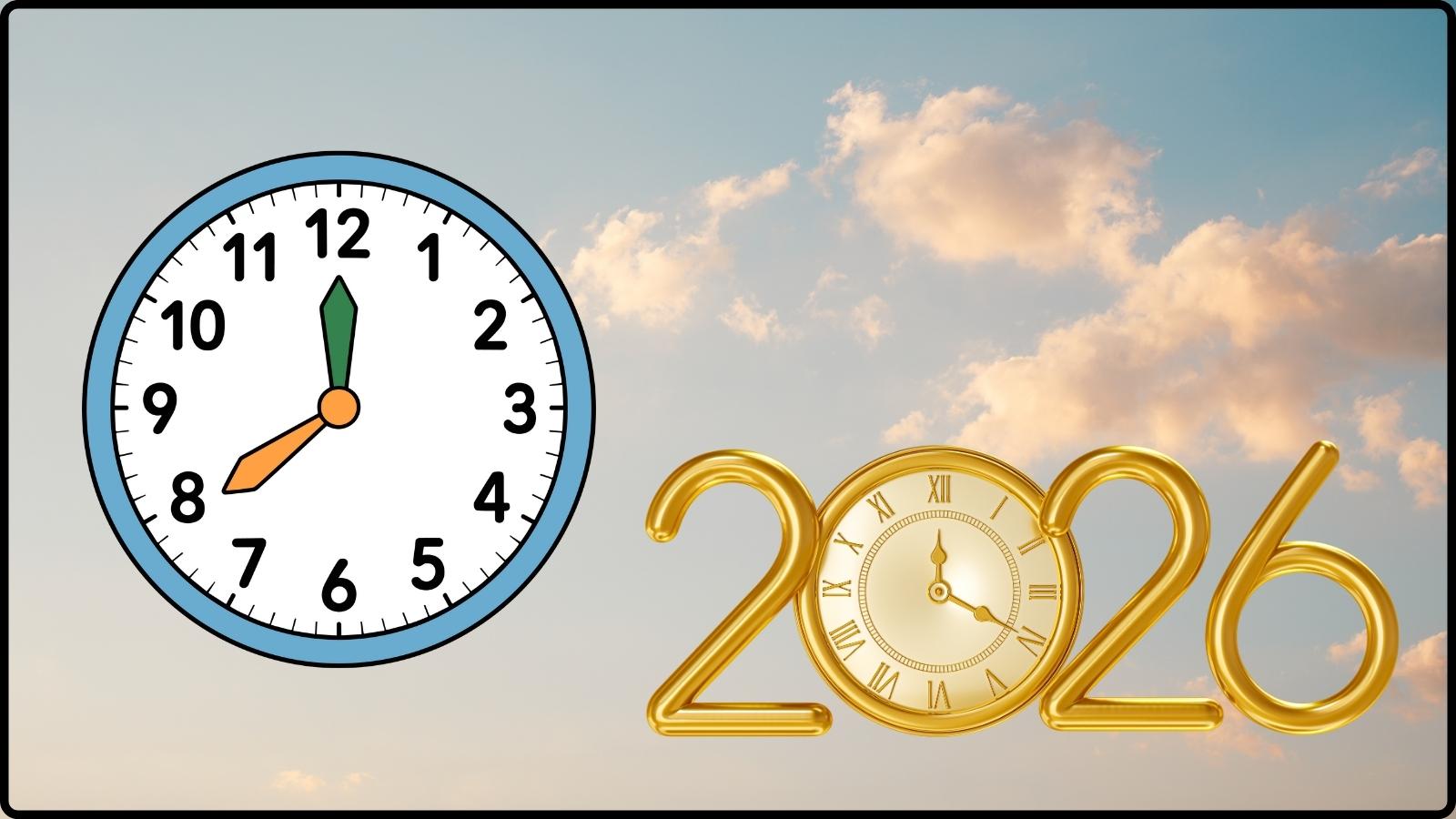
Daylight Saving Time (DST) continues to be one of the most anticipated yearly time shifts in the United States. As we move into fall 2026, millions of Americans will adjust their clocks once again, gaining an extra hour of sleep and shifting into earlier sunsets. Here’s everything you need to know about the 2026 fall time change, including the exact date, what to expect, and how it affects your daily routine.
When Do Clocks Fall Back in 2026?
In 2026, Daylight Saving Time ends on Sunday, November 1, 2026.
At 2:00 a.m., clocks move back one hour to 1:00 a.m., marking the return to Standard Time.
This shift gives everyone an extra hour of sleep and brings earlier sunrises and earlier sunsets.

Why We Fall Back: The Purpose of DST
Daylight Saving Time was originally introduced to make better use of daylight during the longer spring and summer months. When clocks fall back in November, the goal is to align morning daylight with waking hours, making mornings brighter while evenings become darker earlier.
The system is still debated nationwide, but until any federal changes pass, DST continues on its traditional schedule.
How the Time Change Affects Your Daily Routine
Falling back one hour may feel small, but it influences energy levels, sleep cycles, and commute patterns. Many people report feeling more refreshed for a few days thanks to the extra hour of rest, but earlier sunsets can affect evening productivity and mood.

• The first week after the time shift is when people notice the biggest adjustment in sleep patterns.
Drivers should also be alert, as accident rates temporarily increase during seasonal time changes due to visibility changes and circadian rhythm shifts.
Preparing for the 2026 Time Change
Most smartphones, laptops, and smart devices update automatically, but manual clocks may need adjusting, including:

- Wall clocks
- Car dashboards
- Kitchen appliances
- Wristwatches
Setting reminders ahead of November 1 can help avoid confusion, especially for early morning shifts or scheduled travel.
States That Do Not Observe Daylight Saving Time
Two U.S. regions do not participate in DST at all:
| Region | Observes DST? |
|---|---|
| Hawaii | No |
| Most of Arizona | No |
Residents in these areas do not fall back or spring forward.

How Long Standard Time Lasts After the Fall Back
Once DST ends, the U.S. stays on Standard Time until March 8, 2027, when clocks spring forward again by one hour. The winter months will bring earlier sunsets, cooler temperatures, and shorter daylight periods until the cycle restarts.
Conclusion:
Daylight Saving Time 2026 ends on November 1, giving everyone an extra hour of sleep and shifting the country back to Standard Time. While the time change may seem routine, it impacts daily schedules, driving safety, and seasonal habits. Being aware of the exact date helps you stay prepared and adjust smoothly.
Disclaimer: Daylight Saving Time schedules are based on current federal guidelines. Any changes in national policy or state legislation may alter future DST dates.