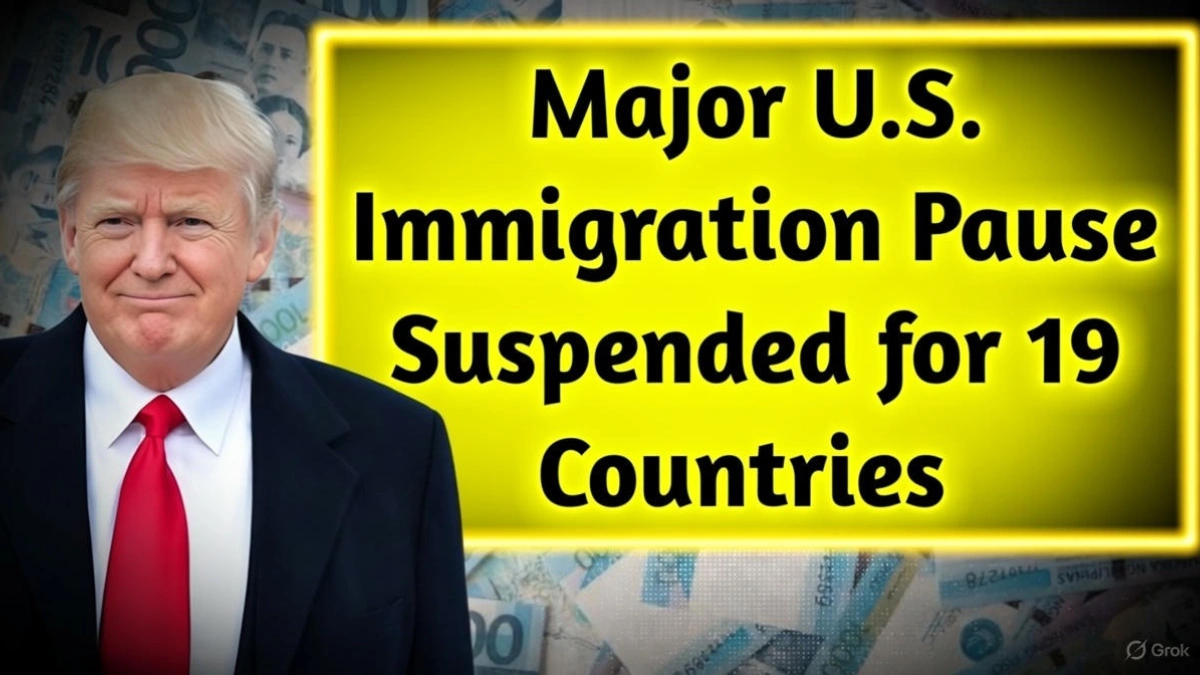
A sudden U.S. immigration pause has sent shockwaves through immigrant communities, legal experts, and families worldwide. In a sweeping move, U.S. authorities have halted key immigration processes for nationals of 19 countries, stopping case decisions and even citizenship oath ceremonies with little warning. For many applicants who were just weeks or days away from final approval, the decision has created uncertainty, fear, and unanswered questions.
This pause is being described as one of the most significant slowdowns in legal immigration processing in recent years, with direct consequences for green card holders, citizenship applicants, and families waiting to reunite.
What Exactly Has Been Suspended
Under the new directive, U.S. Citizenship and Immigration Services has stopped final action on several major immigration steps. While applications can still exist in the system, officers have been instructed not to complete or close cases for affected nationals.
The suspension impacts approvals rather than just new filings, meaning even long-pending cases are now frozen without a clear timeline for resumption.

Immigration Cases and Ceremonies Now on Hold
The pause affects multiple immigration benefits and procedures, creating a broad bottleneck across the system. These include permanent residency processing, naturalization approvals, and ceremonial steps that officially grant U.S. citizenship.
Applicants who had already passed interviews and background checks are among those affected, with many reporting last-minute cancellations of scheduled oath ceremonies.
Countries Included in the Immigration Pause
The policy applies to nationals from 19 countries identified by the U.S. government as requiring additional security review. These countries are largely outside Europe and include regions with ongoing conflict or strained diplomatic relations.
While the full list has not been formally reissued in one public document, it aligns closely with countries previously labeled as high-risk or countries of concern under earlier U.S. travel and immigration restrictions.

Why the U.S. Government Implemented the Pause
Officials have linked the decision to national security concerns and an ongoing review of vetting procedures. The pause follows a recent violent incident in the U.S. involving a foreign national, prompting authorities to reassess screening standards and approval processes.
According to internal guidance, the goal is to ensure that all immigration benefits are granted only after enhanced scrutiny, even if that means delaying thousands of legally filed cases.
Who Is Most Affected by the Decision
The impact is being felt most strongly by families and individuals already living legally in the United States. Many had built their lives around expected approvals, including job changes, travel plans, and family reunification.
Key groups affected include:

- Green card applicants awaiting final approval
- Citizenship applicants whose oath ceremonies were canceled
- Family-based immigrants waiting to reunite with relatives
- Long-term U.S. residents nearing the end of the naturalization process
Immigration Benefits Currently Impacted
| Immigration Process | Current Status |
|---|---|
| Green Card Approval | Temporarily suspended |
| Naturalization Decisions | Paused |
| Citizenship Oath Ceremonies | Canceled or delayed |
| Final Case Adjudications | On hold |
| Asylum Processing | Slowed nationwide |
Processing times are expected to increase even further if the pause continues into the coming months.
Legal and Community Reaction
Immigration advocates and legal experts have raised concerns that the pause is overly broad and punishes entire nationalities rather than addressing individual risk. Community organizations report rising anxiety among immigrants who fear losing years of progress despite full compliance with U.S. law.
Some legal challenges and policy reviews are expected, but no court-ordered reversal has been announced so far.
What Happens Next for Pending Applicants
At this stage, there is no official end date for the immigration pause. USCIS has indicated that cases will remain pending until further guidance is issued. Applicants are being advised not to withdraw applications and to continue monitoring official communications for updates.

While applications are not denied outright, the lack of clarity means delays could last months or longer.
Why This Immigration Pause Matters Nationally
This move signals a broader shift in how the U.S. is handling immigration security and approvals. Beyond the immediate impact on affected countries, it raises concerns about processing stability, policy predictability, and the future of legal immigration pathways.
For employers, families, and communities, the uncertainty adds pressure to an already strained immigration system.
Conclusion: The U.S. immigration pause affecting 19 countries has created an unprecedented standstill in legal immigration processing. By suspending case approvals and citizenship ceremonies, the policy has left thousands of applicants in legal and emotional limbo. Until clearer guidance emerges, affected individuals can do little but wait, underscoring how deeply immigration decisions shape lives far beyond paperwork.

Disclaimer: This article is based on currently available information and may change as official policies or legal rulings evolve.