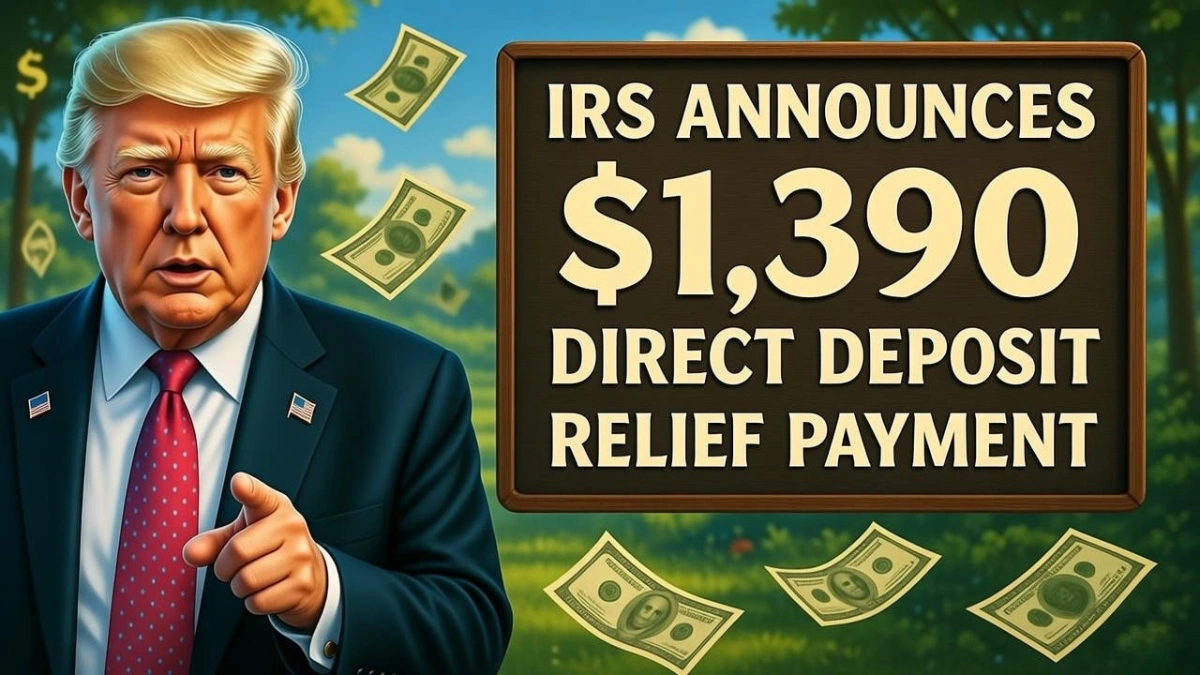
A new claim circulating online says every American will receive a $1,390 IRS direct deposit in 2025. Screenshots, forwarded posts, and viral videos promise “automatic payments” hitting bank accounts soon. For many people struggling with bills, paying rent, or planning budgets, this message can be tempting and cause real hope. But the reality is very different from what these posts suggest. Understanding what’s true, what’s possible, and what’s misinformation can protect you from scams, delays, and false expectations.
What the Viral $1,390 Claim Actually Says
The posts typically say the IRS is sending $1,390 checks or direct deposits to eligible Americans in 2025 without action required. Some versions add that this is a new stimulus, rebate, or COVID-era carryover payment. Others claim that merely sharing the post or clicking a link will trigger a deposit. These elements create curiosity, urgency, and FOMO that drive engagement.
The problem is these viral claims mix facts about tax credits or credits from previous years with false guarantees about universal payments for everyone. Sorting truth from hype requires a clear look at IRS programs that involve payments.

How IRS Payments Really Work in 2025
The IRS issues a variety of payments and credits, but almost all of them depend on specific eligibility and tax filing. For example, many people received Economic Impact Payments during the pandemic, and some taxpayers still receive refunds or credits based on recent tax returns. But those historical programs have ended, and nothing official from the IRS confirms a new universal $1,390 payment scheduled for 2025.
Below is a simple comparison between common viral claims and official IRS facts.
| Claim or Belief | Viral Message | Official IRS Reality |
|---|---|---|
| $1,390 direct deposit for all adults | Yes | No federally announced universal payment |
| Automatic deposit without filing taxes | Yes | No such IRS program exists |
| Payment is a new stimulus | Yes | No stimulus payment announced for 2025 |
| Tax credits or refunds | Implied | Refunds depend on tax filings and eligibility |
| Payment arrives without notification | Often implied | IRS issues notices and letters for official programs |
This table highlights the core differences between what’s being shared socially and what the IRS publicly confirms.

IRS Payments That Are Real but Not $1,390 for Everyone
There are legitimate IRS payments that can result in direct deposits if you qualify. These include tax refunds after filing your 2024 tax return in early 2025, certain refundable tax credits like the Child Tax Credit if you qualify, and other adjustments tied to income and family status.
These payments are not flat amounts guaranteed to all adults, and they require filing correct tax information. The IRS also communicates these details directly via mail or your official IRS online account, not through social media forwards.
Why Viral Claims Spread So Quickly
Misinformation thrives when people want extra money and lack clear knowledge of how tax and government systems work. Curiosity gap triggers like “Are You Eligible” or “Find Out Before It’s Too Late” push people to share without checking facts. Misleading posts often include fake IRS logos, convincing formatting, or unverifiable screenshots that seem real at first glance.

Understanding the psychology behind these posts helps you recognize why they go viral even if they are false.
How to Tell If an IRS Payment Is Real
Whenever you see a claim about a payment from the IRS, especially if it promises a fixed amount like $1,390, check for these red flags before trusting or sharing
- No official announcement on IRS.gov
- Posts that ask you to click a link or enter personal data
- Messages that come only from social feeds with no credible source
- Claims that money is guaranteed without eligibility criteria
Legitimate IRS notices come through mail or your secure IRS online account, never through random social media forwards.

What You Should Do to Protect Yourself
If you think you might be owed a tax refund or credit in 2025, focus on accurate steps. File your 2024 tax return on time. Use the IRS official website or your tax professional to check refund status or credits. Do not provide personal or banking information in response to viral social posts or random emails claiming to speed up payments.
Conclusion: There is currently no official IRS program guaranteeing a $1,390 direct deposit for all Americans in 2025. Viral claims promising such payments mix misinformation with outdated facts to grab attention. While you may receive legitimate payments from the IRS if you qualify for refunds or credits, these depend on your individual tax situation, not a universal distribution. Staying informed through official IRS channels can help you avoid confusion and potential scams.
Disclaimer: This article is informational and not official tax advice. Always verify IRS payment information with the IRS.