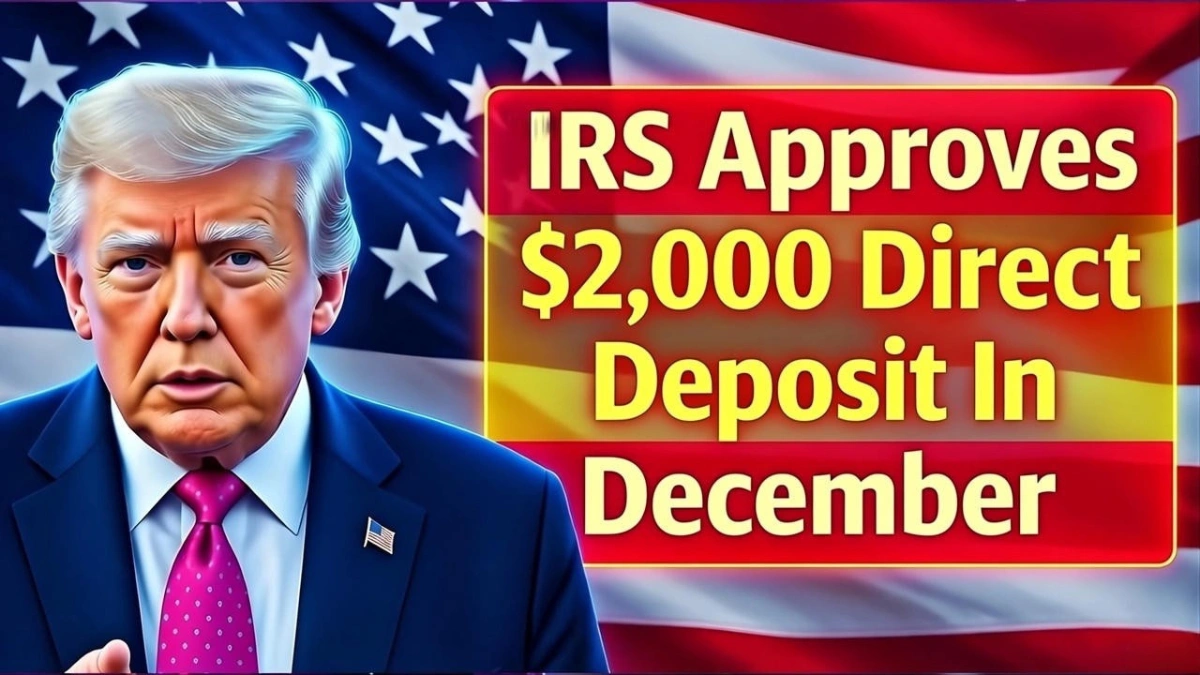
Across social media and forwarded messages you may have seen claims that the IRS is sending a $2,000 deposit to taxpayers this year. Screenshots, viral videos, and urgent “check now” posts promise big payments with little action. For millions of Americans trying to manage bills, budget for the future, or plan tax filings, it’s easy to wonder if the rumors are real. The truth is more nuanced than online chatter suggests. Separating fact from fiction will protect your finances and help you make confident tax decisions in 2025.
What the Viral $2,000 Deposit Claims Say
The most common versions of the rumor claim that the IRS will automatically deposit $2,000 into bank accounts of eligible taxpayers in 2025 without filing additional forms. Some posts suggest it’s a new tax rebate, stimulus check, or rest of unclaimed funds. These versions often include edited IRS logos and fake screenshots that look official at first glance. They are designed to spread quickly by creating urgency and excitement among readers.
How IRS Payments Really Work in 2025
The Internal Revenue Service issues payments to taxpayers for specific reasons such as tax refunds, refundable tax credits, or adjustments after filing returns. These payments are based on your income, filing status, dependents, and other eligibility criteria. Unlike stimulus checks issued during past emergencies, there is no blanket federal program currently confirmed that guarantees a $2,000 deposit for all or most taxpayers in 2025.

Below is a factual comparison between the viral $2,000 claims and the official IRS procedures.
| Claim or Feature | Viral Message | Official IRS Policy |
|---|---|---|
| $2,000 deposit for all taxpayers | Yes | No federally announced universal payment |
| Automatic deposit without filing taxes | Yes | IRS payments generally require a valid filed return |
| New tax rebate in 2025 | Yes | No official rebate program is confirmed |
| Refunds based on tax filing | Sometimes implied | Yes, refunds depend on 2024 tax returns filed in 2025 |
| Payment notices via social media | Implied | IRS communicates via mail or secure online account |
This table shows why relying on social posts is unreliable compared to verified IRS procedures.
Real IRS Payments That Could Result in Deposits
There are legitimate IRS payment categories that taxpayers might receive during the year if they meet eligibility. These include tax refunds after filing your 2024 tax return, refundable tax credits like the Earned Income Tax Credit or Child Tax Credit, and certain adjustments based on income and family status.

Payments in these categories vary greatly between individuals. They are not flat amounts guaranteed for everyone, and eligibility requirements must be met.
Common Elements of Tax-Related Viral Rumors
Rumors about large deposits often include similar themes designed to get attention. These include promises of guaranteed money, minimal action required, or insinuations that simply sharing a post will “unlock” payments. Understanding the psychology behind these claims helps you better recognize them.
Here are typical red flags seen in viral tax payment rumors

- Claims of guaranteed flat deposits for everyone
- Statements that no tax filing is necessary
- Social media as the primary “source” of information
- Promises that clicking a link will speed up payment
Spotting these red flags helps protect you from misinformation and potential scams.
Why Misinformation About IRS Payments Spreads
Many people want extra income or assume that taxes should always result in a refund. Viral posts exploit this desire combined with fear of missing out. They use emotional hooks and fake urgency to encourage sharing before verification.
In reality, most IRS payments are tied to documented tax filings, eligibility criteria, and official announcements. The IRS does not issue unexpected blanket payments without prior public notice.

Steps to Verify Actual IRS Payment Information
If you want to check your IRS payment status or find out if you are due a refund in 2025, there are trusted ways to do so. File your 2024 tax return accurately and on time. After filing, use the IRS official tools or speak with a tax professional to check refund status. Keep your mailing address and direct deposit information current to avoid delays.
Never provide sensitive personal or banking information in response to unsolicited posts promising payments.
Conclusion: The idea of a $2,000 IRS deposit in 2025 may be widespread on social media, but it is not backed by official IRS announcements. While taxpayers can receive legitimate refunds and credits based on their individual tax situations, these are not universal flat deposits. Separating truth from rumor helps you plan your finances realistically, avoid scams, and focus on accurate tax filing and refund expectations for the year.

Disclaimer: This article is informational and not official tax or IRS guidance.