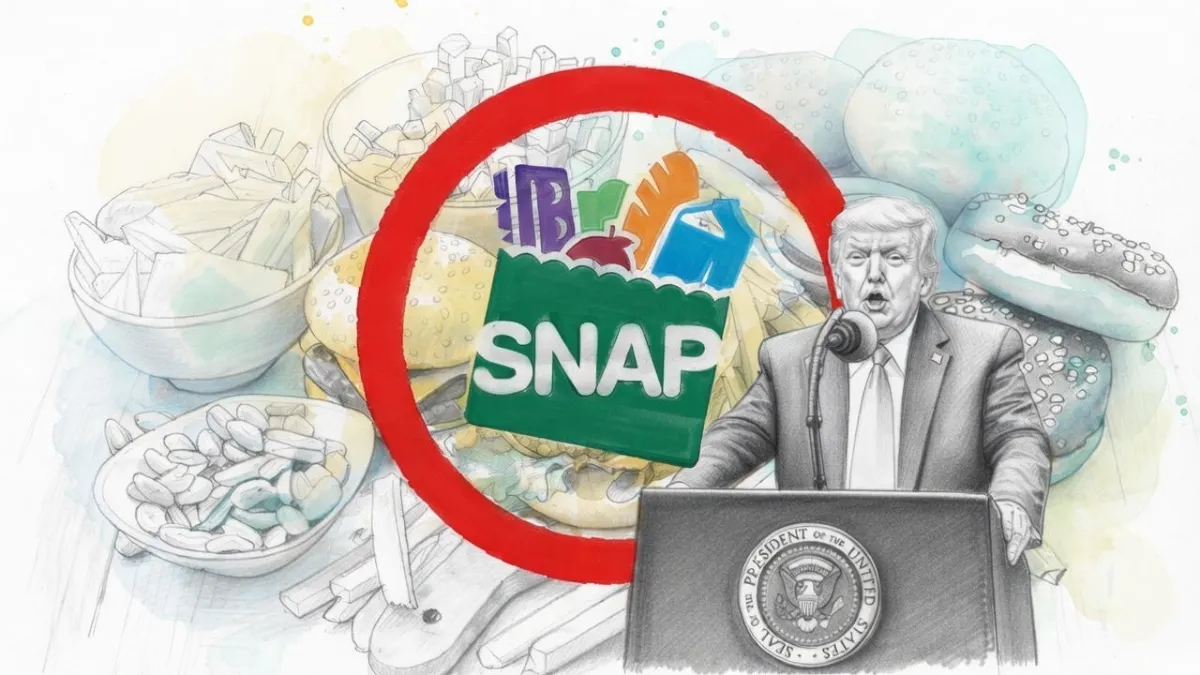
Eighteen states are preparing new rules that will limit the purchase of junk food with SNAP benefits starting next year, a shift aimed at improving nutrition and public health among low-income households. These changes come as part of broader efforts to encourage healthier eating habits while maintaining essential support for food-insecure families.
Why These SNAP Purchase Limits Are Coming
The new restrictions on junk food purchases with SNAP benefits are designed to promote healthier eating patterns and address diet-related health issues such as obesity and diabetes. Lawmakers and public health advocates in the affected states argue that limiting purchases of sugary drinks and highly processed snacks can encourage recipients to choose more nutritious options like fruits, vegetables, lean proteins, and whole grains.

Which Foods Will Be Restricted
Under the new rules, items considered “junk food” will be excluded from SNAP-eligible purchases. These typically include candy, sugary sodas and energy drinks, sweetened snacks, and other products high in added sugars and empty calories. States implementing the restrictions are working with retailers to classify prohibited items and update point-of-sale systems so that SNAP cards automatically decline restricted purchases.
| SNAP Junk Food Restriction Overview | Details |
|---|---|
| Number of States Affected | 18 |
| Program Impact | Limits on certain food purchases |
| Targeted Items | Sugary drinks, candy, snack foods |
| Implementation Year | Next calendar year |
| Governing Program | Supplemental Nutrition Assistance Program (SNAP) |
How the Changes Will Affect SNAP Recipients
For SNAP recipients in the 18 states adopting these rules, the changes mean that benefit cards will no longer be accepted for certain items defined as junk food. Beneficiaries will still be able to use their SNAP benefits to purchase staple foods such as milk, bread, fresh produce, and proteins. Some recipients may need time to adapt their grocery shopping habits, particularly if they regularly used benefits for snacks or sugary drinks.
State Implementation Plans
Each of the 18 states will have its own timeline and specific definitions for restricted items, though all plans share the common goal of improving nutritional outcomes. State agencies are expected to provide guidance, lists of restricted products, and retailer support well ahead of the implementation dates to help families prepare for the transition and understand which foods remain eligible.
Support and Criticism Around the Policy
Public health officials largely support the initiative as a way to reduce diet-related illness and medical costs. However, some advocacy groups and SNAP recipients have raised concerns about limitations on personal choice and the added burden of adjusting shopping routines. Critics also warn that without increased access to affordable healthy foods, the policy could disproportionately impact households with limited grocery options.

Conclusion: Eighteen states will restrict junk food purchases with SNAP benefits next year as part of efforts to encourage healthier diets, requiring recipients to adapt to new rules while still supporting access to essential food items.
Disclaimer: This article is for general informational purposes only and outlines expected changes to SNAP purchase rules. Implementation details, definitions of restricted items, and state policies may vary and are subject to official confirmation. Readers should consult state agencies or SNAP administrators for the most accurate and up-to-date information.

SEO Slug: states-restrict-junk-food-snap-benefits-2026
SEO Tags: SNAP junk food restrictions, SNAP benefits changes, 18 states SNAP rules, nutrition policy SNAP, healthy eating SNAP, SNAP benefit eligibility, SNAP allowable purchases, junk food purchase limits, SNAP program update, public health nutrition policy, sugar-sweetened beverage restrictions, food assistance program news, supplemental nutrition assistance program