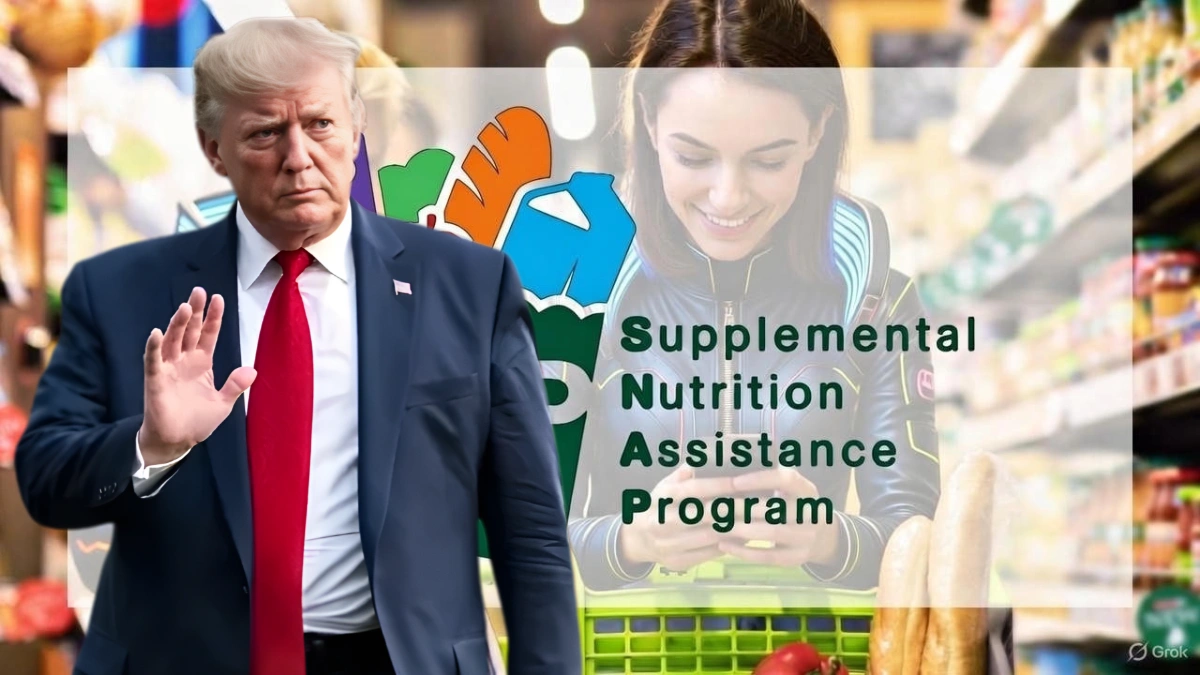
New SNAP Requirements Now in Effect: The Supplemental Nutrition Assistance Program (SNAP) is undergoing one of its biggest updates in years as new eligibility and work-related rules take effect nationwide. The U.S. Department of Agriculture has also confirmed that a broader overhaul of the program is underway, aimed at modernizing benefits, tightening verification standards and improving fraud prevention. Millions of households will see changes in how they qualify for and maintain benefits.
Why SNAP Requirements Are Changing
Rising program costs, concerns about benefit accuracy and a push to align assistance with workforce participation have all driven the USDA’s decision to update SNAP policies. While the changes vary by age, income and household type, the overall goal is to strengthen program integrity and ensure benefits reach eligible families efficiently.

What the New SNAP Rules Now Require
| Requirement | Summary of Change |
|---|---|
| Work Requirements | More adults aged 18 to 52 must meet work or training rules |
| Income Verification | Stricter documentation and recertification processes |
| Time Limits | Certain childless adults face renewed time limits on benefits |
| Technology Upgrades | States required to adopt enhanced fraud-prevention systems |
The age expansion for work rules is one of the most significant updates, bringing more adults under the ABAWD (Able-Bodied Adults Without Dependents) guidelines.
Who Is Most Affected by the New Requirements
Able-bodied adults without dependents will experience the most immediate impact due to expanded work-hour rules and time limits. Households with fluctuating income may also experience additional verification steps. Seniors, children, disabled individuals and pregnant women remain exempt from work requirements, but may still face updated documentation rules during recertification.

USDA’s Plan for a Major Program Overhaul
Beyond the newly implemented rules, the USDA is planning a broader overhaul that includes modernizing EBT systems, strengthening anti-fraud protections and improving the accuracy of benefit calculations. The upgrade plan also includes expanding online purchasing access, updating state technology systems and studying benefit adequacy to reflect rising food prices.
How These Changes Affect Monthly Benefits
Most households will still receive benefits under the same formula, but some may see adjustments due to stricter income verification. Over time, technology improvements and updated cost-of-living formulas could increase accuracy in benefit amounts. The USDA has signaled interest in reassessing the Thrifty Food Plan again, which could impact benefit levels in future years.

New Requirements for Maintaining SNAP Benefits
Recipients must stay current with work reporting, promptly update income changes and respond quickly to requests for additional documentation. Failure to comply may result in benefit interruptions. States are required to provide resources to help recipients meet work or training requirements.
When More Changes Could Be Implemented
The USDA overhaul is expected to roll out in phases over the next one to two years. States will adopt new technologies, update EBT security systems and revise application processes. Additional policy proposals are likely as Congress debates SNAP funding in upcoming sessions.

One Quick Takeaway Section
New SNAP rules now require more work reporting, stronger income verification and updated documentation, while the USDA prepares for a major modernization of the program.
Conclusion: The current round of updates marks the beginning of a comprehensive transformation of SNAP. While many vulnerable groups remain protected, able-bodied adults and fluctuating-income households will see the biggest changes. Staying informed about new requirements and upcoming reforms will help recipients maintain uninterrupted benefits as the USDA continues its modernization efforts.

Disclaimer: This article summarizes publicly available information from USDA policy updates. Recipients should confirm specific requirements through their state SNAP office.