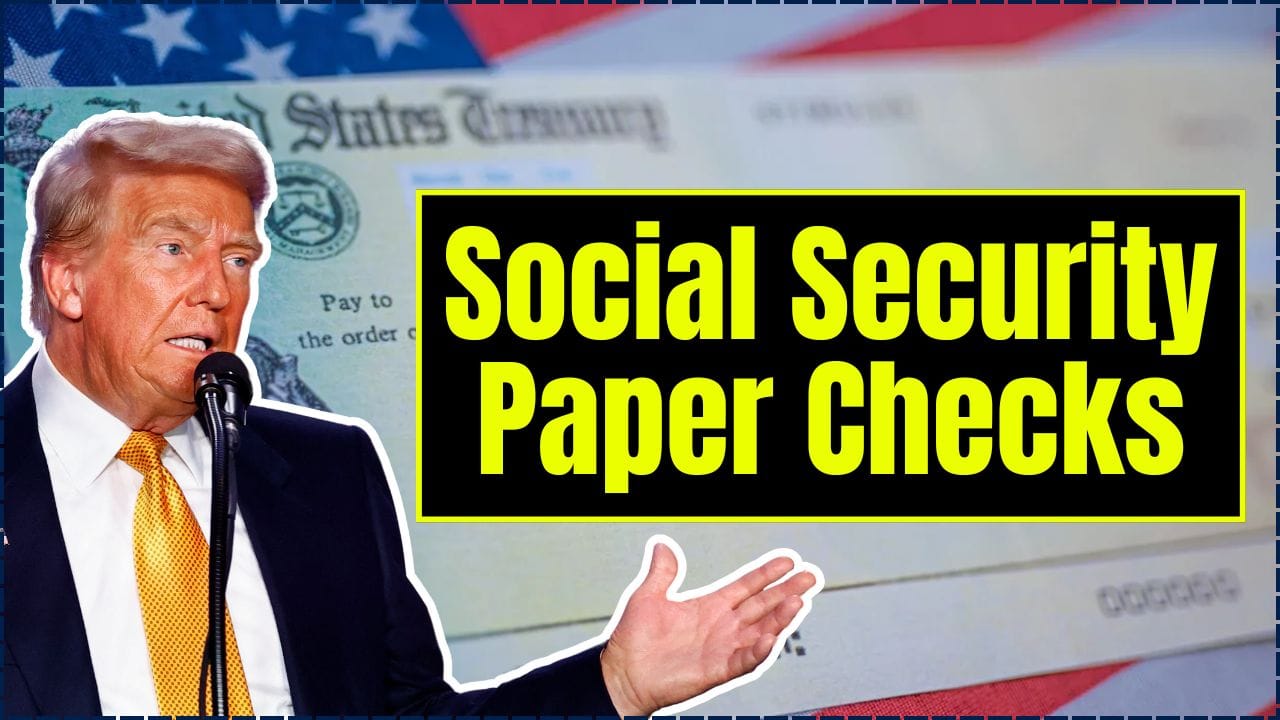
Millions of seniors and disability recipients have been confused for weeks as agencies repeatedly announced “final deadlines” to switch from paper checks to direct deposit. After widespread concern especially among older Americans without stable banking access the government is now quietly walking back its plan to eliminate Social Security paper checks entirely.
Here’s what actually changed, what stays the same, and what beneficiaries need to know right now.
Why the Government Planned to End Paper Checks
For years, federal agencies have pushed to phase out paper checks in favor of:
• Faster and more secure direct deposit
• Lower fraud risk
• Reduced processing and mailing costs
• Fewer delays caused by weather or postal issues

Direct deposit is already used by the majority of Social Security beneficiaries, but millions still rely on paper checks for various personal and practical reasons.
What Forced the Government to Backtrack
After multiple announcements urging beneficiaries to switch before “final deadlines,” senior advocates raised major concerns:
• Many older Americans still do not have bank accounts
• Rural residents rely heavily on mail delivery
• Some beneficiaries prefer paper checks for budgeting
• Reports of scams increased when “urgent deadlines” were announced
• Disabled recipients could not easily update information in time
Facing widespread pushback, the government quietly paused the full phase-out and clarified that paper checks will not be eliminated right now.

What Stays the Same for Social Security Payments
Here’s the current breakdown:
| Payment Method | Status | What It Means for You |
|---|---|---|
| Direct Deposit | Strongly encouraged | Fastest and most secure option |
| Direct Express Card | Continues normally | No bank account needed |
| Paper Checks | Still available | Not ending despite earlier warnings |
Beneficiaries who rely on mailed checks for budgeting or accessibility do not need to switch immediately.
Who Will Still Receive Paper Checks
The government confirmed that paper checks will continue for:
• Seniors without bank accounts
• People living in rural or underserved banking areas
• Beneficiaries who requested mailed checks for personal reasons
• Individuals waiting for bank verification or account updates
• Those facing digital access or disability-related challenges

This reversal brings relief to millions who feared payment disruption.
Will Paper Checks Eventually End
Yes but not now. The long-term goal remains transitioning as many people as possible to electronic payments. However:
• No new mandatory switch-off date has been announced
• No penalties for continuing to use paper checks
• No automatic cancellation of mailed payments
Any future change is expected to come with far more notice and flexibility.

What Beneficiaries Should Do Now
To ensure uninterrupted payments:
• Keep your mailing address updated
• Notify Social Security if you move
• Consider switching to direct deposit if convenient, but not required
• Ignore scammers claiming “final deadlines” or demanding immediate banking updates
The government emphasized that beneficiaries will never be asked to provide bank details over phone, text, or email.
Conclusion:
After weeks of confusing “final deadline” warnings, the government has stepped back from ending Social Security paper checks entirely. Paper checks will continue for beneficiaries who rely on them, especially seniors, rural residents, and those without bank accounts. While electronic payments remain encouraged, there is no mandatory cutoff now, giving millions needed clarity and stability.

Disclaimer: This article summarizes the current status of Social Security payment methods. Policies may change in the future based on government decisions. Always rely on official notices mailed directly to you for updates regarding your benefits.